

Stop Overcalling Turkeys: How Silence Kills More Gobblers
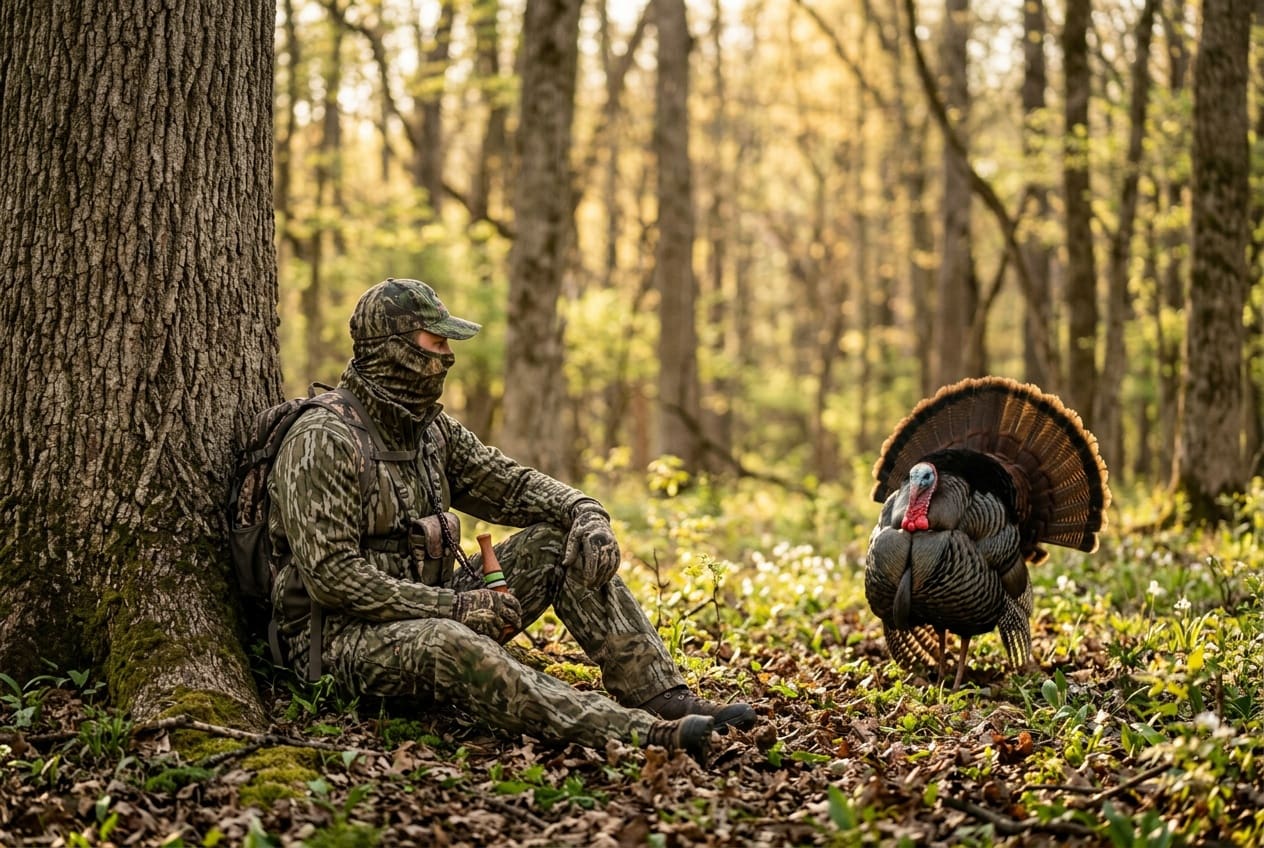
Had a gobbler fired up at first light last week, hammering back at every yelp I threw at him. He was coming hard, drumming and spitting, closing ground fast. Then I made the mistake that’s killed more turkey hunts than bad weather — I kept calling. One more series of excited yelps when he went quiet, and that bird vanished like smoke. Overcalling turkeys is the fastest way to turn a slam-dunk hunt into a long walk back to the truck.
Why Do Hunters Overcall Turkeys?
Most hunters overcall because they panic when a gobbler goes silent. They think more calling equals more excitement, but turkeys don’t work that way.
When a tom stops gobbling, he’s usually doing one of two things — either moving toward your setup or losing interest. More calling won’t help either situation. If he’s coming, you’ll spook him. If he’s walking away, aggressive calling will push him further out. The real problem is hunters lose confidence in their setup and start throwing everything they’ve got at a bird that’s already made up his mind.
What Happens When You Overcall a Gobbler?
Overcalling makes you sound like a hen that’s too eager, which sets off every alarm bell in a mature gobbler’s head.
In the wild, hens call to get a tom’s attention, then they shut up and let him come to them. That’s how the game works. When you keep hammering away with yelps and cutts after a bird has acknowledged you, you’re acting like no real hen ever would. Smart gobblers pick up on this immediately. They’ve heard real hens, and real hens don’t chase them around the woods with constant chatter. The National Wild Turkey Federation has documented this behavior extensively — less is almost always more when it comes to turkey calling.
How Do You Know When to Stop Calling?
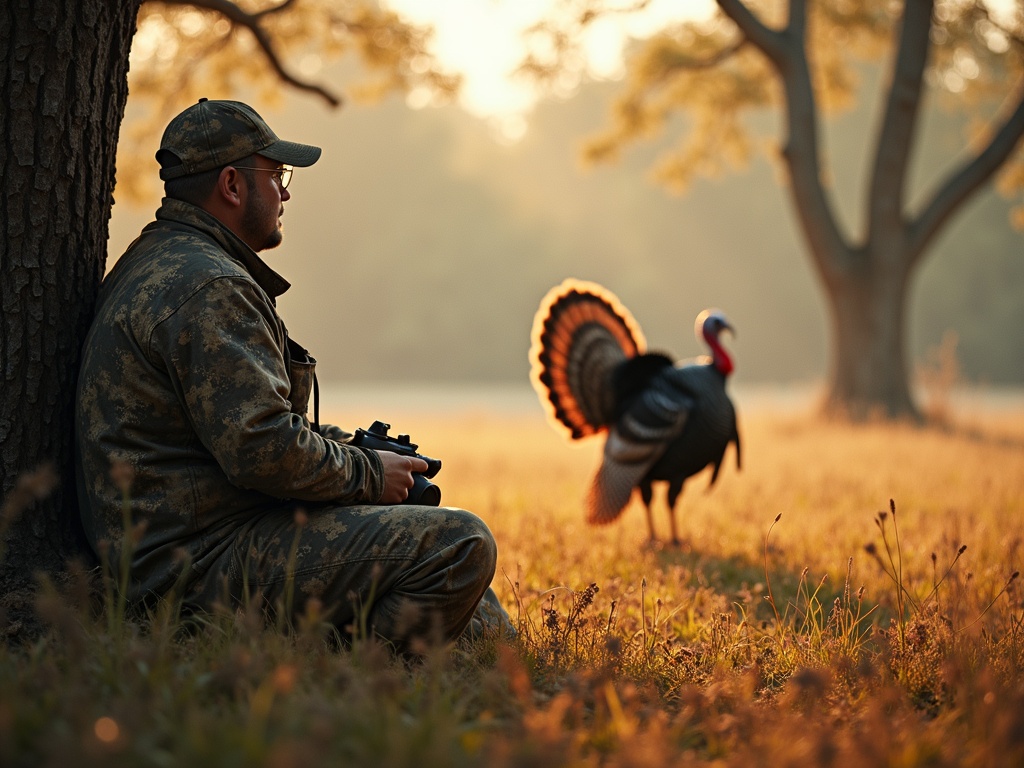
Stop calling the moment a gobbler sounds like he’s getting closer or when he goes silent after responding to you.
- If he gobbles back immediately and sounds closer, put the call down and get ready to shoot
- When drumming starts, that bird is close and looking — any movement or sound will bust you
- If he gobbles once then goes quiet for more than 10 minutes, try one soft tree yelp and wait another 30 minutes
- Never call to a bird you can see unless he’s walking away and you need to turn him around
What’s the Right Amount of Calling for Spring Gobblers?
Start aggressive at first light to locate birds, then dial it back to soft, infrequent calls once you get a response.
Early morning, you can be more aggressive because toms are naturally vocal coming off the roost. Hit them with some loud yelps or cutts to get their attention. But once a bird gobbles back at you, switch gears immediately. From that point on, think like a real hen — call just enough to keep his interest, then let him do the work. Most successful turkey hunters make fewer than 10 calls after initial contact. The best turkey hunters will tell you the same thing — confidence and patience kill more birds than fancy calling.
Buck’s Final Word
- Call aggressive early to locate birds, then dial it way back once you get a response
- When a gobbler goes silent after responding, resist the urge to call more — he’s likely coming
- Never call to a bird you can see unless he’s walking away from your setup
- Real hens don’t chase toms around the woods — they call, then shut up and let him come
Tomorrow morning, try this: call just enough to get a gobbler’s attention, then put the call in your vest and keep it there. Trust me, the hardest part of turkey hunting isn’t making the bird gobble — it’s keeping your mouth shut once he does. That silence you’re hearing might just be the sound of spurs hitting dirt, heading your way.