
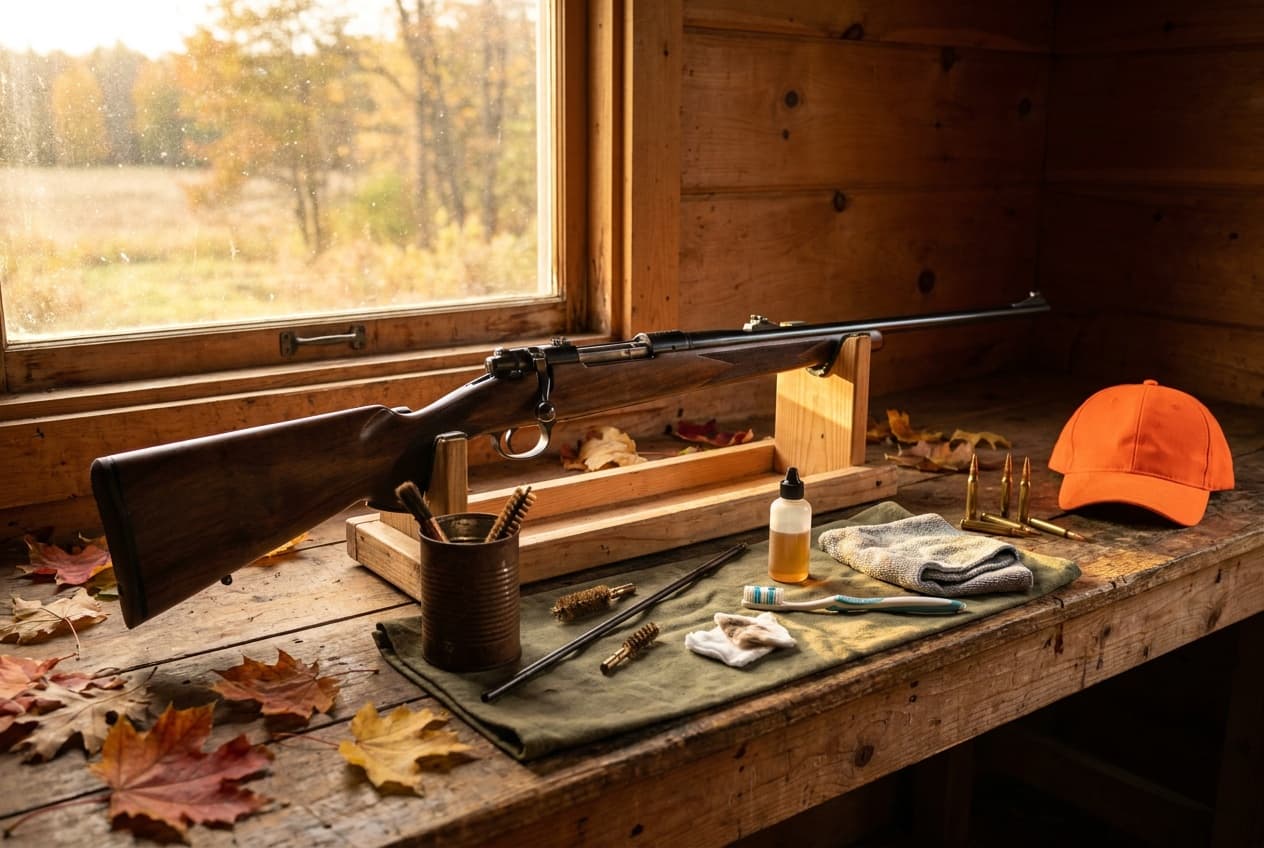

Fall hunting preparation can get expensive before the season even begins. New gear, range fees, travel, licenses, and maintenance can drain a budget quickly. You can avoid many unnecessary costs by checking equipment early and fixing small problems first.
The latest completed national survey from the U.S. Fish and Wildlife Service counted 14.4 million hunters during 2022. Those hunters spent $45.2 billion across hunting-related categories during the same year. With costs spread across many areas, smart preparation starts with what you already own.
Begin With a Safe, Unloaded Rifle Inspection
Start your fall preparation several weeks before any planned trip. Early checks give you time to address problems without rushed spending. Before touching any maintenance item, unload the firearm using its manufacturer’s instructions.
ATF safety guidance says every firearm should be treated as loaded. The agency also advises keeping the muzzle pointed in a safe direction. Your finger should stay outside the trigger guard during handling. Eye and ear protection should be used whenever firearms are discharged.
Once the firearm is unloaded, inspect its visible condition carefully. You can check for rust, loose hardware, damaged sling points, or cracked components. Any damage affecting safe operation deserves attention from a qualified gunsmith.
Avoid replacing parts simply because they have some cosmetic wear. A scratched stock can still serve perfectly during another season. Mechanical concerns deserve priority before cosmetic upgrades receive any money.
Clean What Needs Cleaning Before Buying Parts

A basic cleaning can solve several issues people mistake for equipment problems. Follow the rifle maker’s manual before removing any internal components. Different designs may require specific procedures or approved cleaning products.
You can start with areas exposed to dust or moisture. Remove surface dirt using materials approved by the firearm manufacturer. Inspect the bore only after confirming the firearm is fully unloaded.
Do not change trigger parts or internal safety components yourself. Qualified service is worth the cost when safety systems need attention. A seasonal inspection should protect your equipment instead of introducing new problems.
Your cleaning supplies can also become an unnecessary spending category. Check existing bottles, patches, brushes, and tools before replacing anything. Discard damaged tools that could scratch surfaces or leave material behind.
Check Mounts and Sights Before Assuming They Failed
Many hunters blame an optic when a simpler mounting issue exists. Inspect screws and mounting hardware according to the optic maker’s instructions. Use only the torque values listed by the relevant manufacturer.
Do not guess at settings because another rifle uses different hardware. Small mounting differences can change the correct setup for your equipment. A damaged mount should be replaced before your next range visit.
After inspection, confirm the rifle at a lawful shooting range. Use the firearm and ammunition combination approved by its manufacturer. You are checking consistency rather than chasing unnecessary equipment upgrades.
Record your results from each range session in one place. A simple notebook can save repeated testing during later seasons. You can note the date, cartridge type, and maintenance already completed.
Review Your Ammunition Before Fall Trips
Check what you already own before planning any additional expense. Keep cartridges in their original packaging whenever doing so remains practical. Original boxes help you identify the exact cartridge and manufacturer information.
Owners using .223 Remington ammo should verify the barrel marking first. SAAMI says .223 Remington ammunition can be fired in a proper 5.56 specification chamber. However, SAAMI warns against firing 5.56 ammunition through barrels marked only .223 Remington.
Your firearm manual should remain the main reference for compatibility. Contact the manufacturer when any chamber marking or cartridge question is unclear. Saving money never justifies guessing about important cartridge compatibility decisions.
Inspect stored cartridges for corrosion, major dents, or other visible damage. Questionable ammunition should follow manufacturer guidance for safe disposal or handling. Never try repairing damaged cartridges with improvised tools or methods.
Treat Larger Quantities as Inventory, Not Automatic Savings
The phrase bulk ammunition can suggest guaranteed value to many buyers. Larger quantities can still waste money when they exceed your actual needs. Start by counting safe and properly stored cartridges already available at home.
Build your seasonal budget around planned lawful range sessions and trips. Avoid stocking extra quantities without considering how much you actually use. Storage space and local legal requirements should also guide your planning.
ATF recommends keeping ammunition locked in a secure location away from firearms. The agency also advises following federal, state, and local storage laws. Secure storage belongs inside your budget before optional equipment receives attention.
Spend Your Range Time With a Purpose
A long range session does not automatically provide better preparation. Plan a short checklist before arriving at the shooting facility. Your goal is confirming safe function and familiar operation before hunting season.
Start by following range rules and manufacturer instructions throughout testing. Stop immediately when the firearm behaves differently from normal operation. A gunsmith should inspect faults involving safety or mechanical function.
You can reduce wasted ammo by avoiding random repeated shooting. Keep notes about equipment changes before firing another test group. Written records help you avoid repeating checks already completed successfully.
Prepare the Rest of Your Hunting Equipment
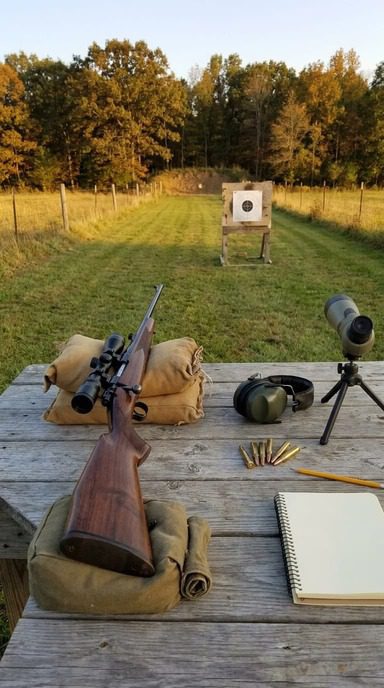
Your firearm is only one part of fall preparation. Check licenses, season dates, navigation tools, and first-aid supplies early. State wildlife agencies publish current rules for seasons and legal methods.
The U.S. Fish and Wildlife Service reports that 11.5 million people pursued big game during 2022. Those hunters accounted for about 135 million hunting days nationwide. Checking current regulations before each trip can prevent expensive mistakes later.
Inspect your case and storage equipment before replacing outdoor accessories. A damaged locking device deserves attention before cosmetic equipment upgrades. Batteries inside approved electronic gear should also receive a preseason check.
Make a Simple Fall Budget Before Spending
Separate your fall costs into maintenance, range time, licenses, and travel. This approach keeps optional purchases from hiding among required expenses. Give safety-related repairs priority over cosmetic changes to your rifles.
Next, decide which costs actually support this season’s plans. Do not replace equipment that already works correctly for you. Put unused budget toward later maintenance instead of unnecessary last-minute purchases.
Preparation does not require turning every season into a shopping project. Your best savings can come from inspection, records, secure storage, and early planning. A well-organized routine helps you start fall with fewer expensive surprises.