
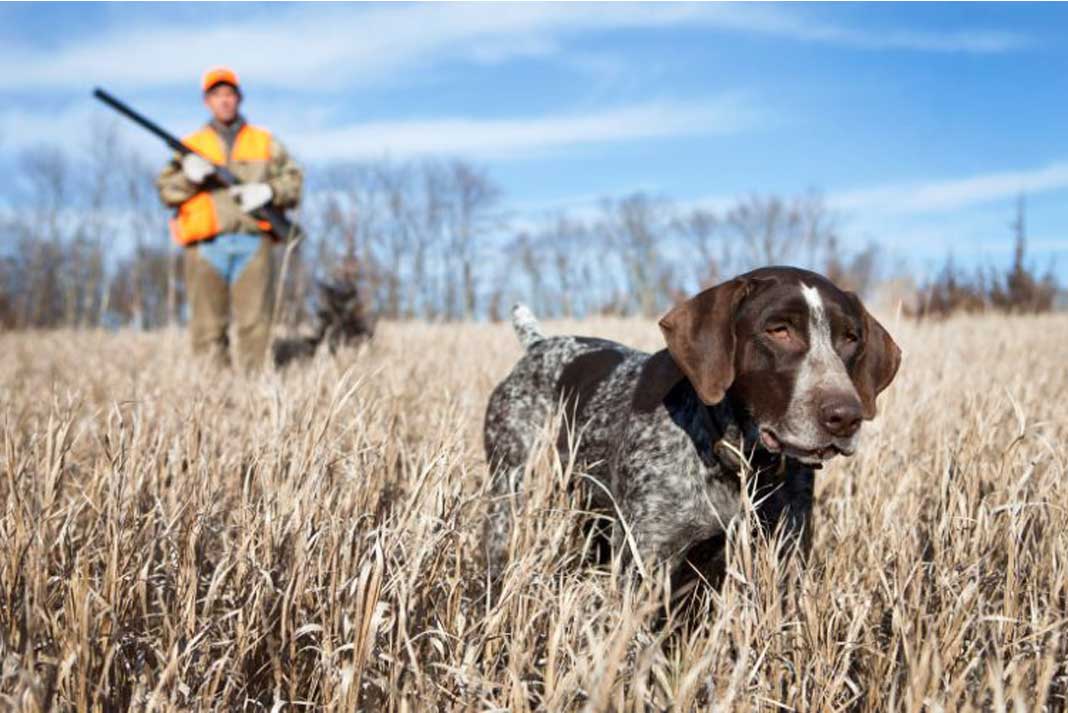

Bird hunting is a cherished tradition in the United States, blending skill, strategy, and the great outdoors into an exhilarating experience.
Whether you’re a seasoned hunter or new to the sport, understanding the types of birds, the best hunting areas, and the optimal equipment and techniques can elevate your hunting experience. This comprehensive guide covers everything you need to know about bird hunting, including the types of birds, the best shotguns (including 20-gauge options), and the role of hunting dogs.
Types of Birds for Hunting
Upland Game Birds:
- Quail: Small and fast, quail are a popular target for upland hunters. They thrive in brushy areas and fields.
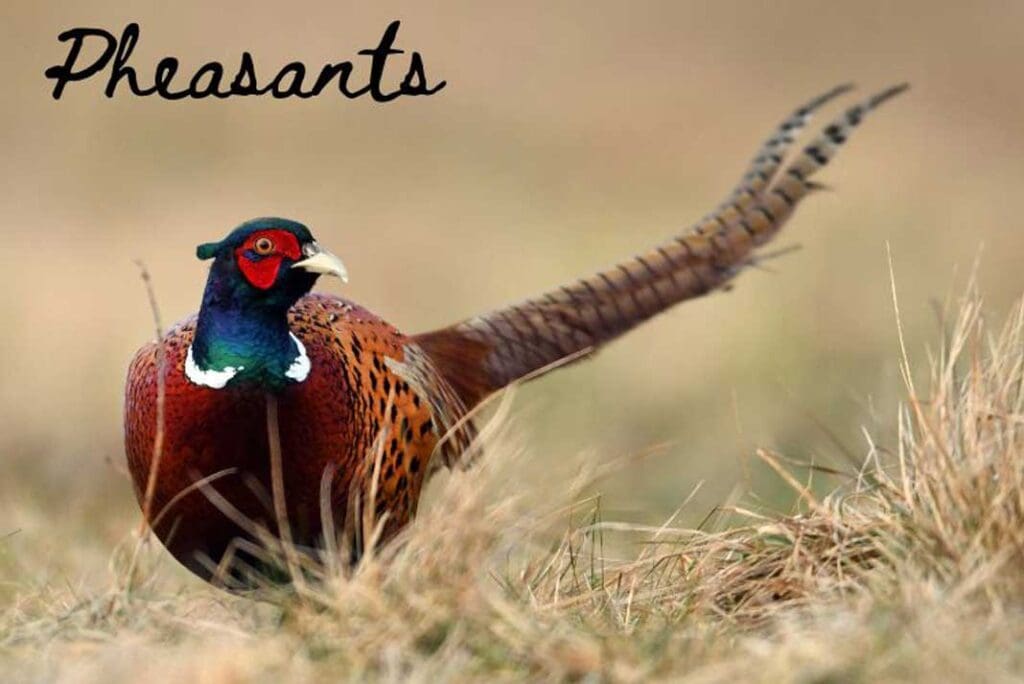
- Pheasants: Known for their vibrant plumage and challenging flight patterns, pheasants are found in grasslands and agricultural fields.
- Grouse: Ruffed grouse live in young, thick forests across the northern states and Appalachians, while sharp-tailed grouse are birds of the prairies and grasslands of the northern Plains. Both flush fast and reward quick shooting.
Waterfowl:
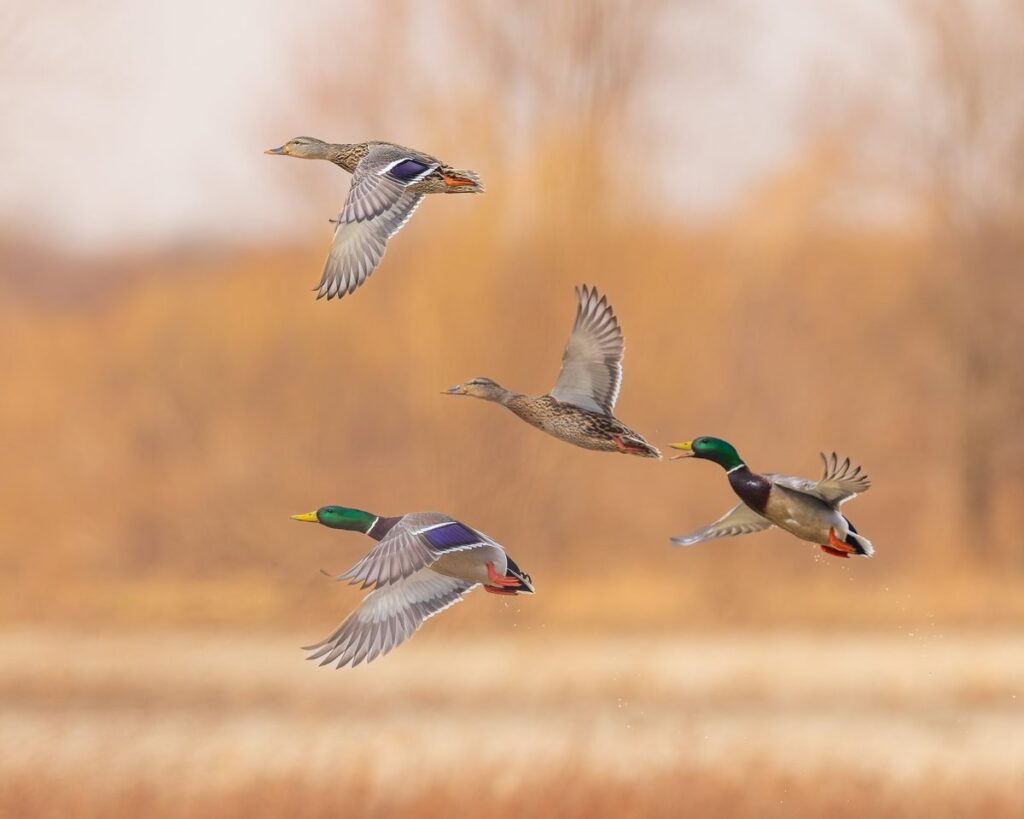
- Ducks: Various species, including Mallards, Wood Ducks, and Gadwalls, are commonly hunted in wetlands and marshes.
- Geese: Larger and more challenging than ducks, Canada Geese and Snow Geese are hunted in open fields and near bodies of water.
Turkey:
- Wild Turkeys: Found in woodlands and mixed forests, wild turkeys are prized for their size and the challenge they present.
Doves:
- Mourning Dove: The most common dove species in North America, mourning doves are known for their distinctive cooing calls and fast, erratic flight patterns.
- White-winged Dove: Slightly larger than mourning doves, white-winged doves are found primarily in the southwestern U.S. and are known for their white wing patches and distinctive calls.
- Eurasian Collared Dove: Native to Asia, the Eurasian collared dove spread across Europe and has since spread across much of North America. It is larger than a mourning dove, with a distinct black collar on the back of its neck. Many states set different limits for collared doves than for mourning doves, so check your regulations.
Top Bird Hunting Areas in the USA
- Kansas: Known for its abundant pheasant populations, Kansas offers expansive grasslands and agricultural fields ideal for upland game bird hunting.
- South Dakota: Renowned for its pheasant hunting opportunities, with vast tracts of farmland and public lands.
- Arkansas: A prime destination for waterfowl hunting, Arkansas boasts numerous wetlands and rice fields that attract large numbers of ducks and geese.
- Montana: With its diverse landscapes, including grasslands, forests, and wetlands, Montana is a fantastic place for hunting a variety of upland game birds and waterfowl.
- Michigan: Known for its grouse hunting, Michigan offers dense forests and mixed habitats that are perfect for these elusive birds.
- Texas: A top location for dove hunting, especially in agricultural regions and near water sources, Texas provides ample opportunities for pursuing mourning, white-winged, and Eurasian collared doves.

Best Shotguns for Bird Hunting
Over/Under Shotguns:
- Browning Citori: Known for its reliability and balance, the Citori is favored by many upland hunters. Available in both 12-gauge and 20-gauge, the 20-gauge variant is lighter and easier to handle.
- Beretta 686: This model offers excellent craftsmanship and durability, making it a solid choice for bird hunting. The 20-gauge version is particularly popular among those who prefer a lighter load.
- Benelli Super Black Eagle III: Renowned for its fast cycling and reduced recoil, it’s ideal for waterfowl hunting. Available in 12-gauge, it’s less common in 20-gauge.
- Remington Versa Max: Offers versatility and a smooth shooting experience, suitable for both upland game and waterfowl. Though predominantly 12-gauge, the 20-gauge version is appreciated for lighter loads.
Pump-Action Shotguns:
- Mossberg 500: A durable and reliable choice, the Mossberg 500 is versatile enough for various bird species. It comes in both 12-gauge and 20-gauge models, with the 20-gauge being lighter and easier to manage.
- Remington 870: This classic shotgun is favored for its ruggedness and effectiveness in different hunting scenarios. The 20-gauge version is an excellent choice for those who prefer less recoil.
For Dove Hunting:
- Over/Under Shotguns: Models like the Browning Citori or Beretta 686 in 20-gauge are ideal due to their balanced design and reduced recoil, making them perfect for quick follow-up shots.
- Semi-Automatic Shotguns: The Benelli M2 or Remington 1100, available in 20-gauge, are popular choices for their quick follow-up shots and manageable recoil.
- Pump-Action Shotguns: The Mossberg 500 and Remington 870 in 20-gauge are versatile and dependable, making them excellent choices for dove hunting.
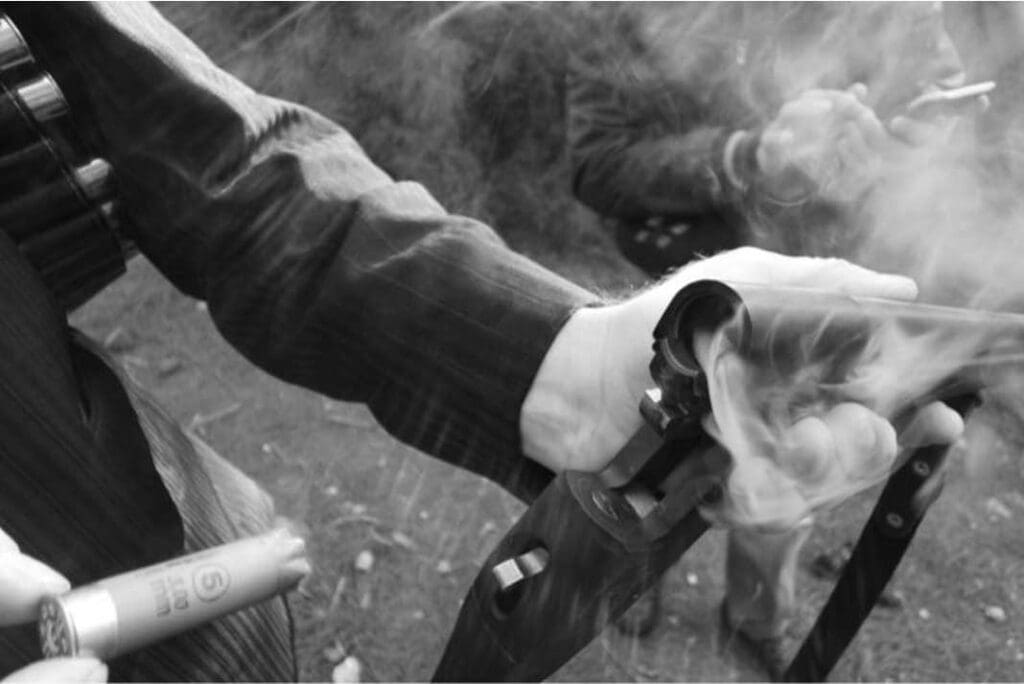
Choosing the Right Shot Type and Shell Size
Upland Game Birds:
- Shot Size: For quail and grouse, use #7.5 or #8 shot. For pheasants, opt for #5 or #6 shot.
- Shell Size: 12-gauge shells are commonly used, with 2.75″ or 3″ lengths providing a good balance of power and recoil. For a lighter alternative, 20-gauge shells in similar lengths are effective.
Waterfowl:
- Shot Size: Use larger pellets like #3 or #2 for ducks and #1 or BB for geese. Lead shot is illegal for all duck and goose hunting under federal law, so use steel, bismuth, tungsten or another approved non-toxic shot.
- Shell Size: 3″ or 3.5″ shells provide the necessary power for larger waterfowl. For smaller waterfowl, 20-gauge shells in 2.75″ or 3″ lengths can be used effectively.
Turkey:
- Shot Size: #4, #5, or #6 lead shot are ideal for turkeys, providing a good balance of power and pattern density. Many turkey hunters now use tungsten (TSS) loads in #7 to #9, which hold dense patterns at longer range. Pattern your gun with the load and choke you plan to hunt with, and always check your state’s rules on shot type.
- Shell Size: 12-gauge shells in 3″ or 3.5″ lengths are recommended for a clean, effective shot. 20-gauge shells can also be used with appropriate shot sizes and shell lengths.
Dove Hunting:
- Shot Size: For doves, shot sizes #7.5 or #8 are ideal. These smaller pellets create a dense pattern that increases your chances of hitting the fast-moving birds.
- Shell Size: 12-gauge shells in 2.75″ or 3″ lengths are commonly used. For a lighter option, 20-gauge shells in similar lengths are effective for dove hunting.
The Role of Hunting Dogs
Pointers:
- Brittany Spaniel: Known for their enthusiastic hunting style and strong pointing abilities, Brittany Spaniels are excellent for upland game birds.
- English Pointer: Highly skilled in locating and pointing game, making them a top choice for pheasant and quail hunting.
Flushers:
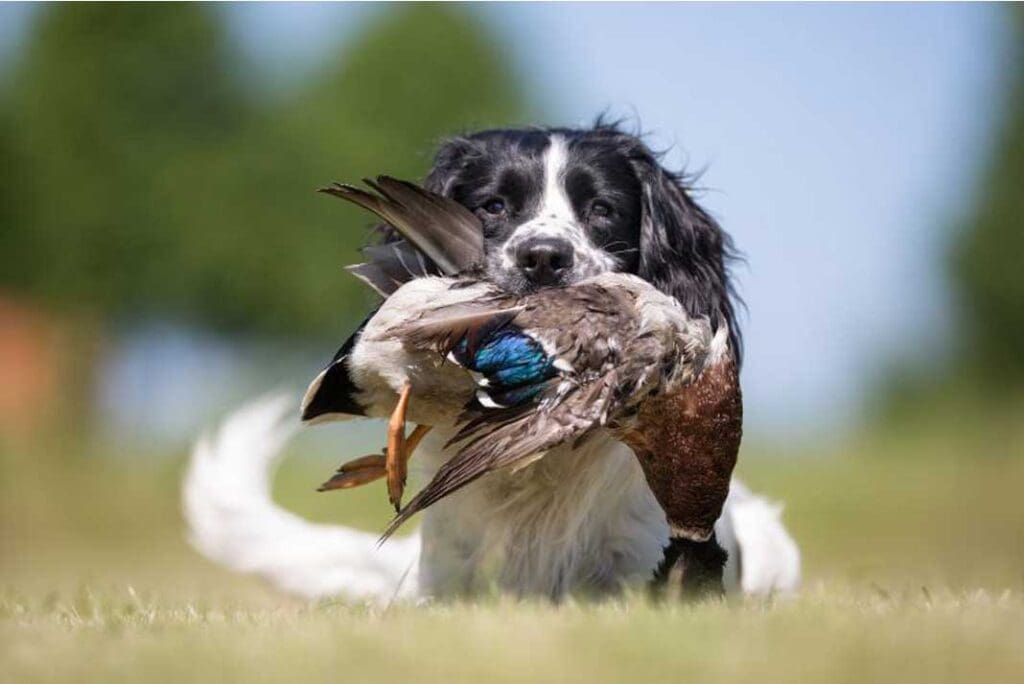
- English Springer Spaniel: Renowned for their ability to flush birds out of cover and retrieve them, Springer Spaniels are versatile and effective.
- American Cocker Spaniel: With their strong flushing and retrieving skills, they are great for upland game hunting.
Retrievers:
- Labrador Retriever: Highly valued for their retrieving capabilities and versatility, Labs are excellent for both upland and waterfowl hunting.
- Golden Retriever: Known for their gentle nature and strong retrieving skills, Golden Retrievers are well-suited for waterfowl hunting.
Dove Hunting Dogs:
- Spaniels: English Springer Spaniels and American Cocker Spaniels are great for dove hunting due to their flushing and retrieving capabilities.
- Retrievers: Labrador and Golden Retrievers are also effective for dove hunting, especially in retrieving downed birds from open fields or water sources.

Licenses, Stamps and HIP Registration
Every bird hunter needs a state hunting license, and most states require a hunter education certificate to buy one. Hunting migratory birds adds a few more requirements:
- HIP registration: The Harvest Information Program is a free registration required for anyone hunting migratory game birds, including doves, ducks, geese and woodcock. Many states sign you up when you buy your license; others make it a separate step. You need to register each season in every state you hunt.
- Federal Duck Stamp: Waterfowl hunters 16 and older must buy the Federal Migratory Bird Hunting and Conservation Stamp. Dove hunters do not need one.
- State stamps and permits: Many states add their own waterfowl stamp, upland bird stamp or migratory bird endorsement.
- Plugged shotgun: For migratory birds, your shotgun can hold no more than three shells total.
When to Go: General Season Timing
Seasons are set by each state, and migratory bird seasons must fall within federal limits. This table shows typical timing only. Check your state wildlife agency for exact dates, zones and bag limits.
| Bird | Typical season |
|---|---|
| Mourning dove | Many states open September 1; some run split seasons into winter |
| Teal and early geese | Special early seasons in September in many states |
| Ducks and geese | Fall into winter, often October through January |
| Pheasant | Mid-October or November into January in top states |
| Quail | November into January or February |
| Ruffed grouse | September or October into winter |
| Woodcock | October and November |
| Wild turkey | Spring, roughly March through May; some states add a fall season |

Bird Hunting Safety
- Wear blaze orange. Upland hunters move through tall cover where other hunters can’t see them. Many states require orange for upland bird hunting, and it’s a smart choice even where it isn’t required.
- Know your safe zone of fire. When hunting in a line, agree before you start who shoots where, and never swing across the hunter next to you.
- Watch the dog. Never shoot at a low-flying bird. Wait until it is well above the cover and your dog.
- Unload before crossing fences and ditches, and keep your muzzle pointed in a safe direction at all times.
- Wear eye and ear protection on dove fields and in duck blinds, where you’ll fire many shells close to other hunters.

Beginner’s Bird Hunting Checklist
- State hunting license and hunter education card
- HIP registration, plus a Federal Duck Stamp if hunting waterfowl
- Shotgun patterned with the shells you’ll hunt with
- Non-toxic shot for waterfowl
- Blaze orange vest and hat for upland hunts
- Eye and ear protection
- Game vest or bag, water, and a small first-aid kit for you and the dog
- A cooler with ice to keep birds cool on the drive home
More from Hunting Magazine
- Best Bird Dog Breeds: Top 10 Hunting Dogs for Upland Game
- Wild Pheasant Casserole
- Pan-Seared Wild Duck Breast with Roasted Root Vegetables

Frequently Asked Questions
Do I need a duck stamp to hunt doves?
No. The Federal Duck Stamp is required for waterfowl hunters 16 and older. Dove hunters need a state hunting license and HIP registration, plus any state migratory bird permit.
What gauge shotgun is best for bird hunting?
A 20-gauge is a great choice for quail, grouse, doves and most pheasant hunting because it is light and easy to carry. A 12-gauge gives more reach for waterfowl, late-season pheasants and turkeys.
Can I use lead shot for duck hunting?
No. Federal law has banned lead shot for waterfowl hunting nationwide since 1991. Use steel, bismuth, tungsten or another approved non-toxic shot.
What shot size is best for pheasants?
Lead #5 or #6 shot works well for pheasants. If you hunt where non-toxic shot is required, many hunters go one or two sizes larger in steel, such as #4.
What is the best state for pheasant hunting?
South Dakota and Kansas are two of the best-known pheasant states, with large bird numbers and plenty of farmland and public walk-in areas.
Do I need a dog to hunt birds?
No, but a good dog finds more birds and recovers wounded ones you would otherwise lose. Without a dog, hunt slowly, pause often to make birds flush, and mark every fallen bird carefully.