

Public Land Access Crisis: What Every Hunter Must Know
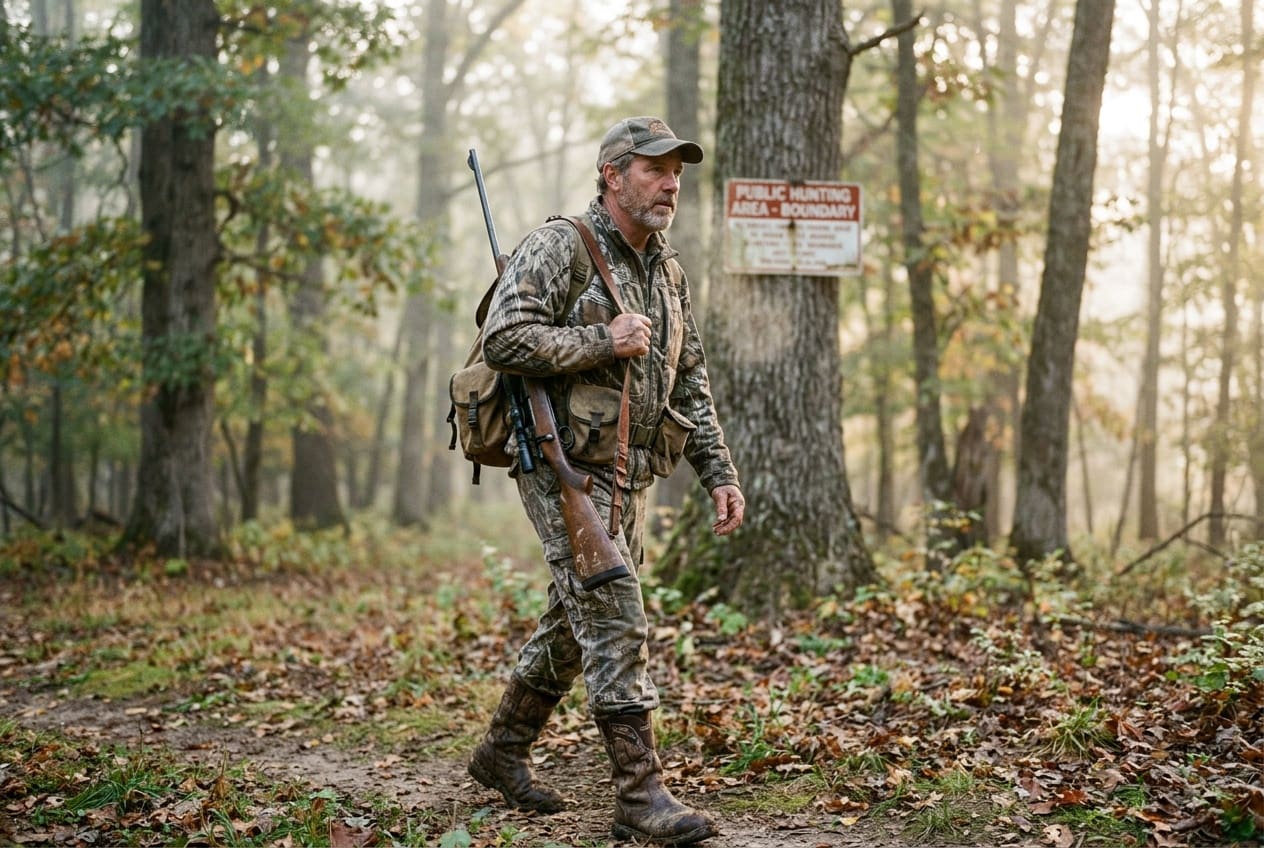
Last month I drove forty minutes to my favorite public hunting spot only to find a brand new “No Hunting” sign where there used to be an access gate. Turns out the state sold a 200-acre parcel to a private developer without so much as a notice to hunters. That’s the reality of public land hunting access in 2026 – it’s disappearing faster than we’re replacing it, and most hunters don’t even know it’s happening.
How Much Public Hunting Land Are We Losing Each Year?
The United States loses approximately 15,000 to 20,000 acres of public hunting access annually through land sales, development, and closure of private lands enrolled in public access programs. That’s roughly 30 square miles of hunting opportunity gone every single year.
The bigger problem isn’t just the raw acreage – it’s where we’re losing it. Prime hunting ground near population centers gets developed first, forcing hunters to drive farther and compete for fewer spots. In Wisconsin alone, we’ve lost access to over 75,000 acres of huntable land in the past five years. Most of it was sold off quietly, with hunters finding out only when they show up opening morning to locked gates.
What’s Causing the Public Land Access Crisis?
Budget shortfalls force state agencies to sell land, private landowners drop out of access programs due to liability concerns, and anti-hunting pressure pushes agencies to close areas rather than fight political battles.
The real killer is when family farms get sold to developers or out-of-state investors who immediately post the land. I’ve watched three different farm families in my county sell to buyers who had zero intention of maintaining hunting access. Organizations like the Rocky Mountain Elk Foundation are working to counter this trend, but they’re fighting an uphill battle against economics and politics.
How Can Hunters Protect Existing Public Land Access?
Show up to public meetings, join conservation organizations that fight for access, and make your voice heard when land sales or closures are proposed. Most importantly, actually use the public land we have.
- Attend county board and DNR meetings when public land issues are discussed – these decisions get made by whoever shows up
- Join state hunting and conservation groups that lobby for access – your membership dollars fund legal challenges to closures
- Volunteer for habitat work days on public land – agencies notice when hunters invest sweat equity
- Hunt public land regularly and encourage others to do the same – unused land gets sold first
Where Can You Find Overlooked Public Hunting Opportunities?
Small scattered parcels, county parks that allow hunting, and state forest lands often get overlooked by hunters who only think about the big-name wildlife areas. These hidden gems offer less pressure and sometimes better hunting.
I’ve found some of my best hunting spots by spending time with county plat books and state land ownership maps. Every county has forgotten pieces of public ground that most hunters drive right past. Digital mapping apps like OnX make it easier than ever to identify these parcels, but you still need to do the legwork to scout them and verify hunting regulations.
Buck’s Final Word
- Use public land regularly or risk losing it – agencies track usage numbers when making budget decisions
- Get involved locally – most access decisions happen at county and state level where your voice actually matters
- Support organizations that fight for hunting access with both membership dues and volunteer time
- Scout overlooked small parcels of public land that other hunters ignore
Download your county’s plat book this weekend and identify three pieces of public hunting land you’ve never scouted. The best way to protect hunting access is to prove we’re actually using what we have – and there’s probably untapped opportunity sitting right in your backyard.