

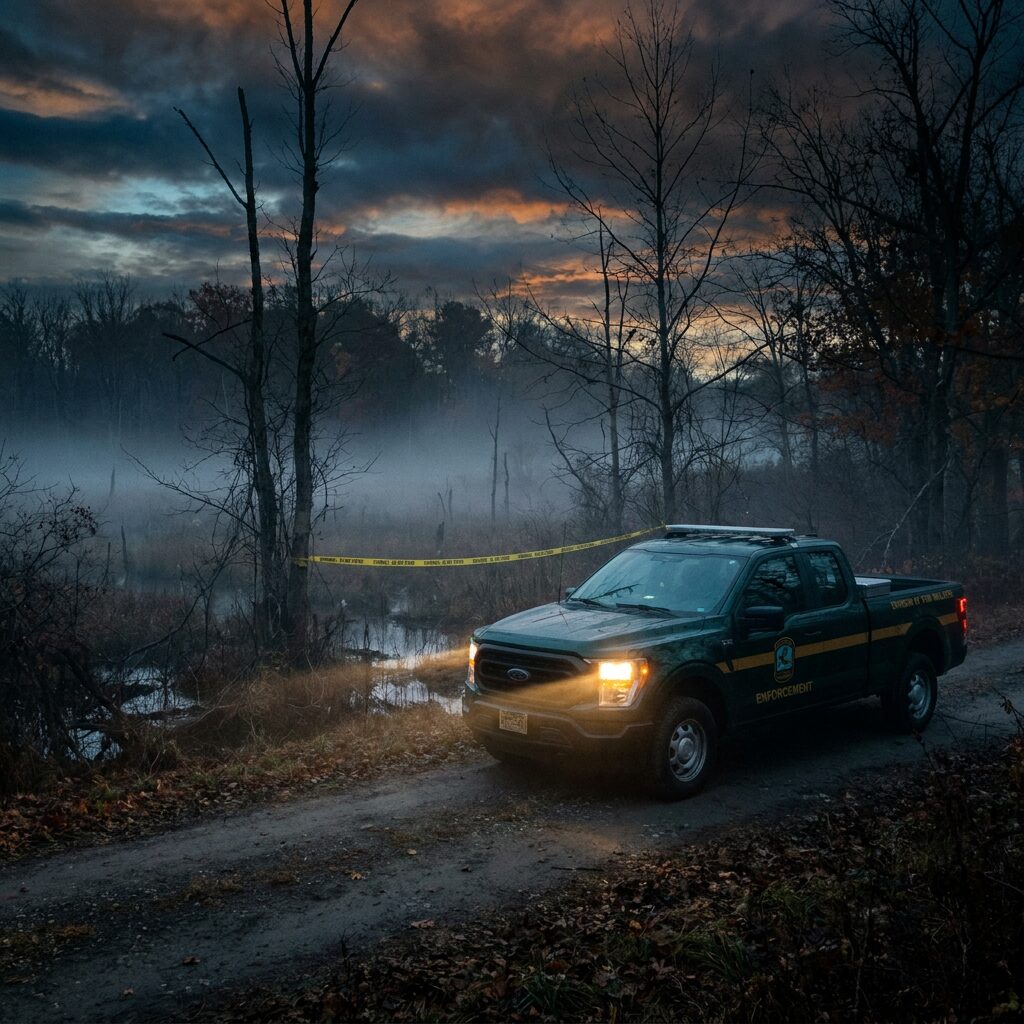
A hunter has been charged in connection with a fatal shooting in Sussex County, Delaware, according to 6abc Philadelphia. That’s the extent of what’s been confirmed at this point — the outlet hasn’t released the identities involved, the specific charges, the date, or the circumstances that led to the shooting.
I’ll say this plainly because it needs saying: I’m not going to guess at what happened out there. No name, no distance, no weapon, no explanation of whether this was a hunting party, a case of mistaken identity, or something else entirely. When a story’s this thin, the responsible move is to report what’s known and wait on the rest — not fill in blanks with what sounds plausible. A family somewhere is dealing with a real loss, and speculation dressed up as reporting does nobody any favors.
What I can tell you, from three decades of working stands and blinds across Wisconsin and the Midwest, is that fatal shootings in the field almost never come down to a single catastrophic decision. They come down to a chain of small ones — someone moving through cover without a blaze orange vest during firearm season, someone shooting at movement or sound instead of a confirmed target, someone assuming they knew where their hunting partner was standing instead of checking. Delaware requires hunter orange for most firearm seasons for exactly this reason, and states that don’t mandate it still strongly recommend it. The rule exists because deer season puts armed people moving through thick cover in proximity to each other, often at dawn or dusk when light is bad and adrenaline is worse.
The other pattern I’ve seen repeated more times than I care to count: hunters who let excitement override the fundamentals. You hear brush move, you see a flash of movement, and every instinct says pull the trigger before the animal — or the shot — gets away from you. That instinct has killed more people than any charging bear ever has. Every hunter-safety course in the country teaches “identify your target and what’s beyond it” as rule number one for a reason. It’s not there to slow you down for the sake of bureaucracy. It’s there because a whitetail doesn’t wear orange, and neither does the guy walking the fence line two hundred yards past where you’re aiming. The deer will tell you what you need to know, if you shut up long enough to listen — but that only works if you’ve actually confirmed it’s a deer first.
I’ll update this piece if Delaware authorities or 6abc release more on the charges, the weapon involved, or the relationship between the shooter and the victim. Until then, treat this as a case study in why the fundamentals exist, not a story with a full narrative attached yet.
Buck’s Bottom Line: Positively identify your target and everything beyond it before you touch the trigger — no shot is worth taking on a guess.
Source: 6abc Philadelphia