

I’ve spent more than a decade followin’ the tail end of a dog through some of the nastiest briars and most beautiful prairies North America has to offer. In that time, I have learned one thing for certain. There is no such thing as a perfect dog, but there is definately a perfect dog for you. Whether you are after South Dakota roosters or timber doodles in a muddy swamp, the breed you choose changes the entire rhythm of your season.
When you start lookin’ at the best bird dog breeds, it is easy to get lost in the glossy magazine photos of a dog on a perfect point. But I remember sitting in a diner in South Dakota back in 2014, shivering through my second cup of coffee and realizeing my buddy’s Lab was ready for another mile while my lean pointer was vibrating with cold. It was a lesson in matching the tool to the task. You have to be honest about where you hunt and what you are actually willing to live with in your house during the off-season.
Bird Dogs that are Versatile Powerhouses
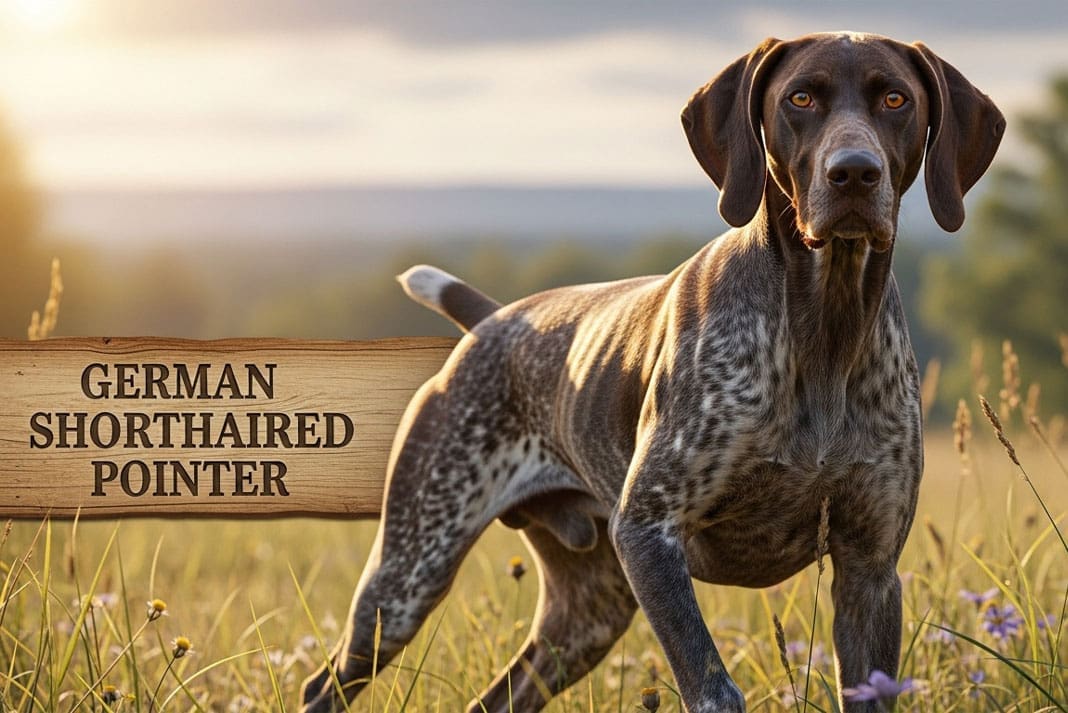
If you want a dog that can do a bit of everything, you are probably lookin’ at the Continental breeds. The German Shorthaired Pointer, or GSP, is the king of this category for a reason. They are athletic, they have incredible noses, and they possess an intensity that is honestly a little scary sometimes. I’ve seen GSPs find birds in cover that looked like a solid wall of dead grass. They point, they retrieve, and then they come home and try to sit in your lap while you watch the news.
But don’t overlook the German Wirehaired Pointer or the Drahthaar if you hunt in the thick stuff. That wiry coat is like a suit of armor against the thorns. I once watched a Wirehair pull a crippled mallard out of a frozen pond and then turn around to point a covey of quail thirty minutes later. They are rugged, no-nonsense dogs. They might not have the “fashion model” looks of a setter, but they earn their keep every single day.
The Bird Pointer Specialists: Pointers and Setters
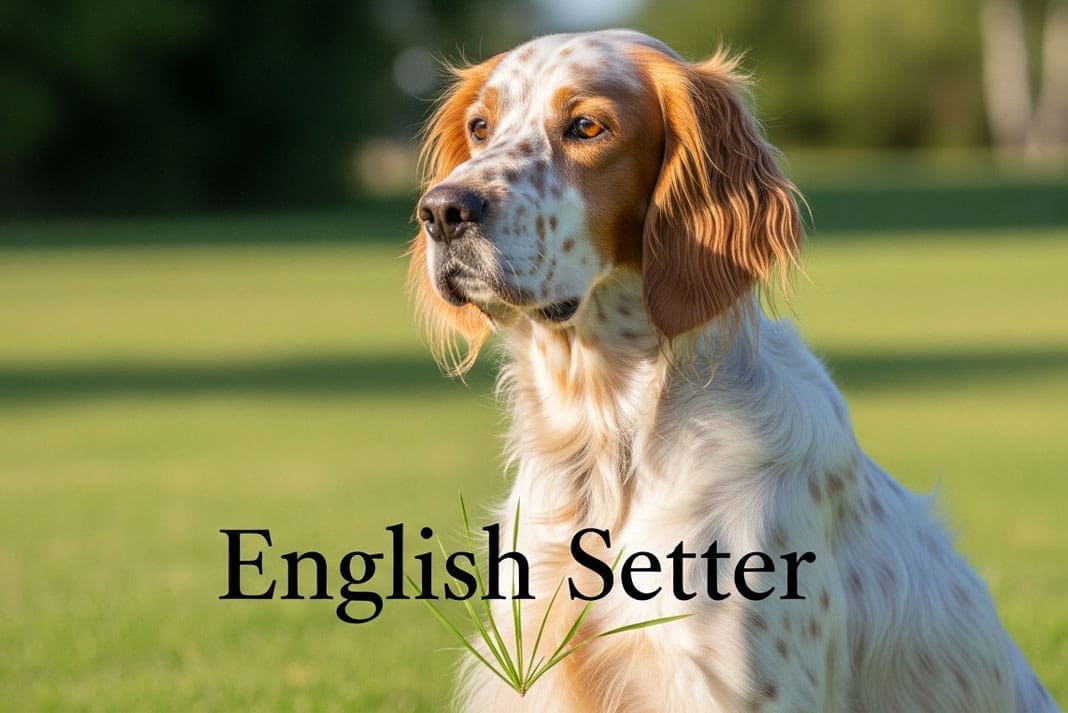
When you talk about pure upland tradition, you are talking about the English Pointer and the English Setter. These dogs are the Ferraris of the bird world. If you hunt big, wide-open country like the Chukar hills out West or the southern pine woods for quail, an English Pointer is hard to beat. They run big, they run fast, and their points are legendary for being rock-solid.
Setters are a bit different. They have a certain grace that makes you feel like you are part of a 19th-century oil painting. An English Setter in the grouse woods is a sight to behold. They tend to have a bit of a softer personality than the GSPs. I’ve found that they respond better to a gentle hand during training. If you get too heavy-handed with a setter, they’ll shut down on you faster than a cheap truck in January.
The “Bird Hunting Dog” Breed that are Flushing Dynamos
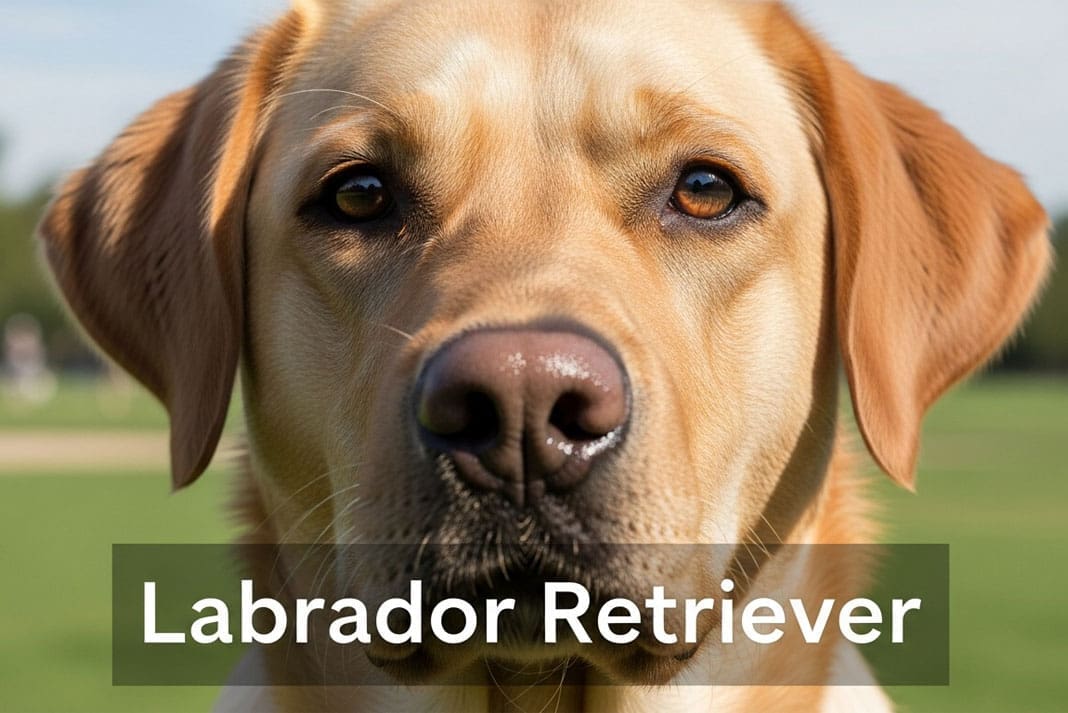
Not everyone wants a dog that stands still. Sometimes you need a dog that is going to get in there and make things happen. This is where the Labrador Retriever and the English Springer Spaniel shine. Labs are the Swiss Army Knives of the dog world. We all know they are king of the duck blind, but a field-bred Lab is a pheasant’s worst nightmare. They stay close, they hunt with their noses down, and they don’t stop until they find the bird.
Springers are a little different. They are like little balls of caffeinated energy. A good Springer will quarter back and forth in front of you with a precision that is almost mechanical. When they get “birdy,” their tails start moving so fast they look like a blur. It is a high-action way to hunt. You have to be ready to shoot, because when a Springer finds a bird, that bird is coming up right now.
Small Bird Hunting Dogs with Big Hearts

I have to mention the Brittany. For a long time, people called them Brittany Spaniels, but they are actually pointers. They are smaller, usually around thirty to forty pounds, which makes them great for folks who live in smaller houses or travel a lot. Don’t let the size fool you though. A Brittany has as much heart as any seventy-pound dog I’ve ever seen. They are scrappy, they handle heat well, and they are incredibly smart.
Then there is the Boykin Spaniel. This is the “little brown dog” from South Carolina. They were bred to fit in small boats for turkey and duck hunting, but they are fantastic in the upland fields too. They have a cheerful way of working that just makes the day better. Plus, their liver-colored coats are great at hiding the mud, which is a plus when you have to put them back in the truck.
The “Velcro” Dogs: Vizslas and Weimaraners
If you want a dog that will never leave your side, look at a Vizsla. People call them “Velcro dogs” because they are emotionally attached to their owners in a way other breeds aren’t. They are sleek, fast, and beautiful to watch in the field. However, they are sensitive. If you are the kind of hunter who yells a lot, a Vizsla is not for you. They need a partner, not a boss.
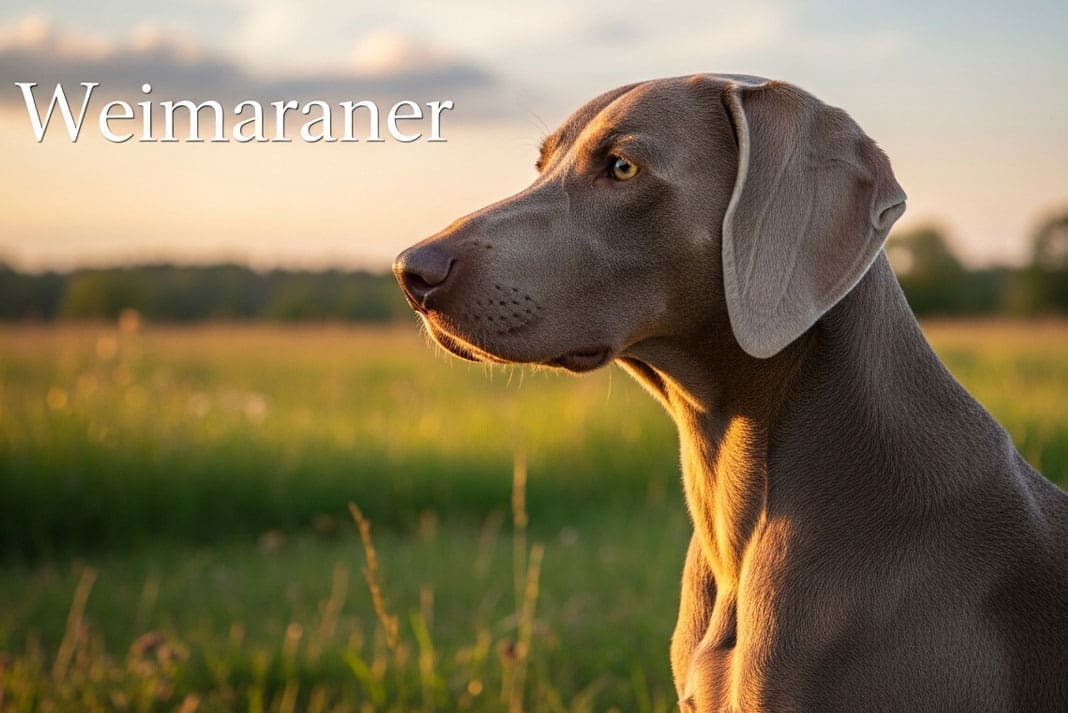
Weimaraners, the “Gray Ghosts,” are similar in their loyalty. They are big, powerful dogs that need a lot of exercise. In the field, they are methodical and steady. They might not be the fastest dogs on this list, but they are reliable. They have a way of looking at you that makes you feel like they know exactly what you are thinking. It is a unique bond that you don’t find with every breed.
Choosing the Right Bird Hunting (Dog) Partner
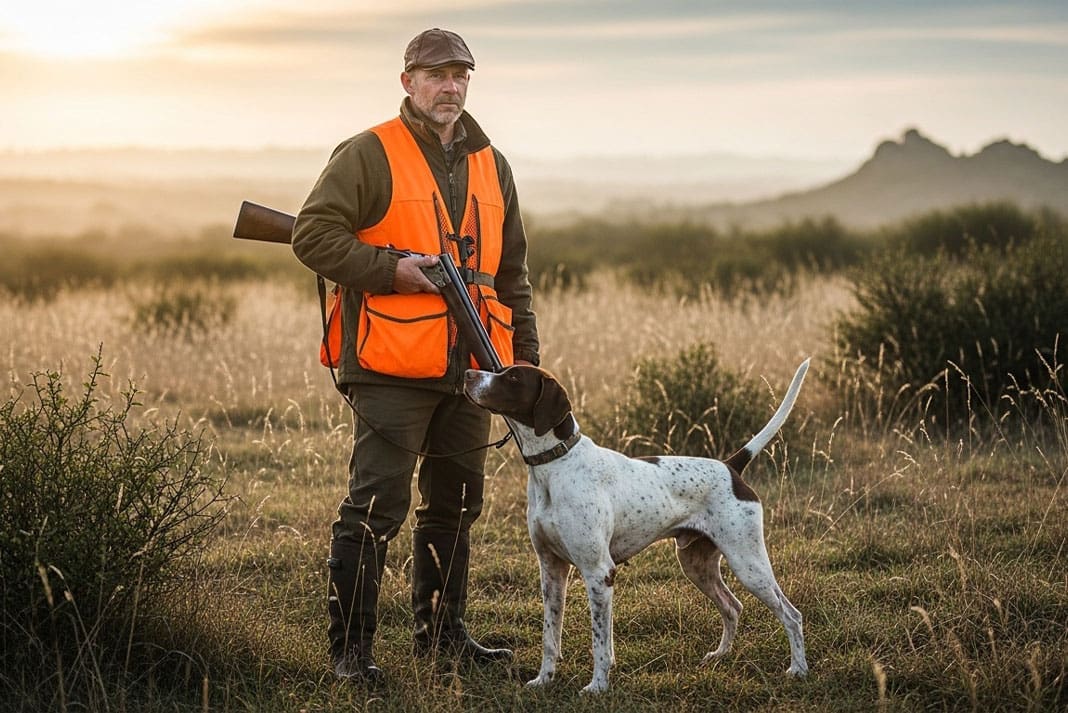
At the end of the day, picking a dog is about your lifestyle. I’ve seen people buy a high-performance English Pointer and then get frustrated when the dog wants to run three hundred yards away in a small woodlot. That isn’t the dog’s fault; it’s the owner’s. Think about the terrain you hunt most often. If it is thick, nasty cover, get a flusher or a close-working pointer like a Brittany or a GSP. If it is big, open country, let a long-legged Pointer stretch his legs.
And remember, you are going to spend about 60 days a year hunting and 305 days a year living with this dog. You want a companion that fits your home life too. Some of these dogs have an “off switch” and some of them don’t. A bored bird dog is a destructive bird dog. I once left a young GSP alone for two hours and came back to find he had eaten an entire couch cushion. It was a mistake I didn’t make twice.
Pointer Training and Trust
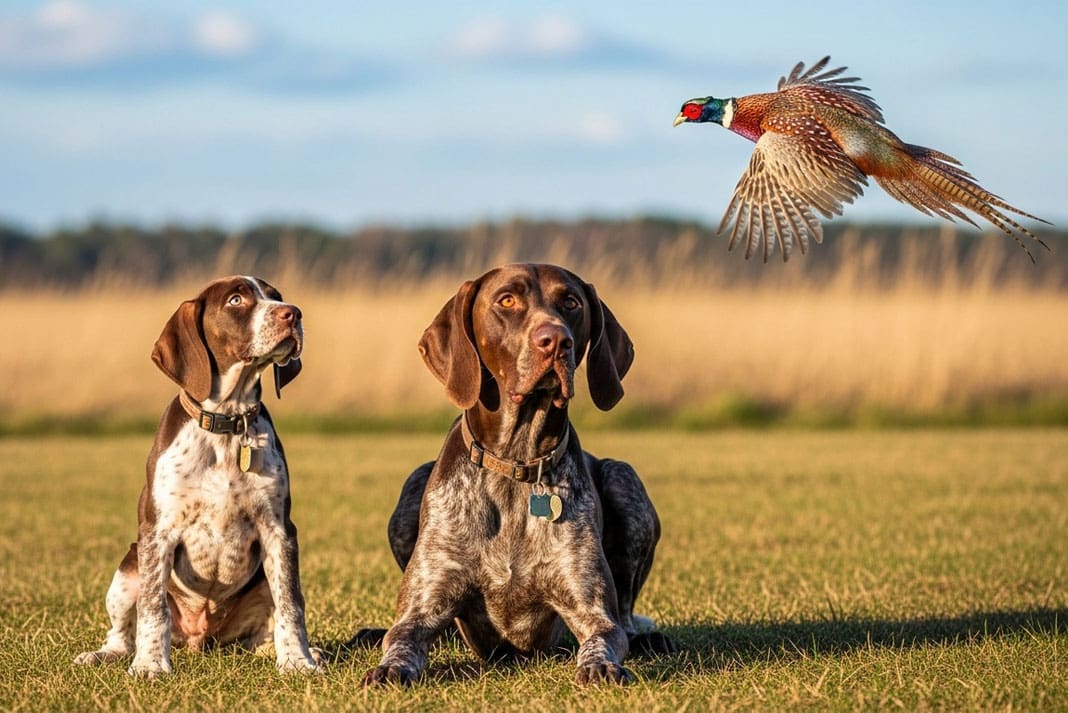
No matter which of the best bird dog breeds you pick, the magic happens in the training. You can have the best genetics in the world, but if you don’t put in the time, you’ll just have a fast dog that scares birds. It takes patience and a lot of shoe leather. But there is nothing quite like the feeling of a crisp October morning, the smell of damp earth, and watching a dog you trained yourself lock onto a bird.
It is a connection that goes beyond just hunting. It is a partnership built on thousands of miles walked together. When that dog looks back at you after a long day, tired and covered in burrs, you’ll know you picked the right one. Whether it’s a Lab, a Setter, or a Pointer, the best dog is the one that is out there with you.