

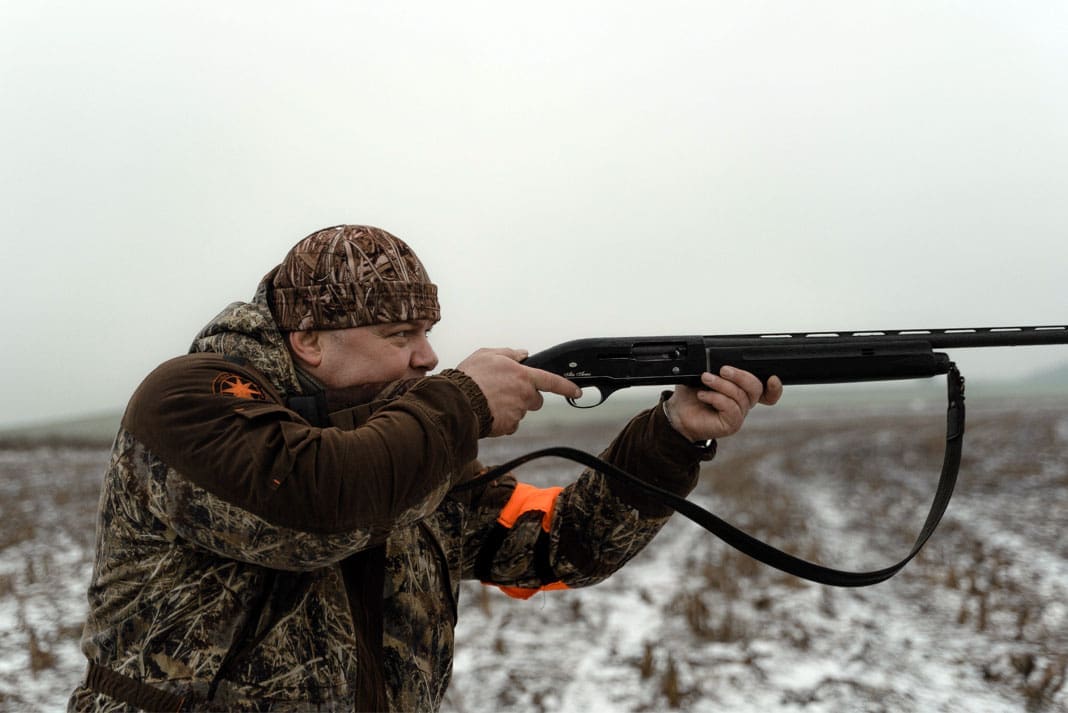

Hunting has been part of human life for as long as people have existed. It is still debated today, but the facts are clear on one point: regulated hunting plays a major role in wildlife conservation, habitat funding and keeping wildlife populations in balance with the land.
Quick answer: Hunting is good because it helps manage wildlife populations, funds conservation (more than $1.2 billion went to state wildlife agencies in 2026 through hunting- and fishing-related excise taxes), puts lean, wild meat on the table, supports a $45 billion-a-year industry, and helps control disease and invasive species like feral hogs.
10 reasons why hunting is good
1. Hunting keeps wildlife populations in balance

Most of North America’s large predators are gone from the places where deer and other game now thrive, so hunters fill that role. State wildlife biologists set seasons, permit numbers and bag limits to keep herds at a size their habitat can support. When deer numbers grow unchecked, they overbrowse forests and farm fields, starve in hard winters and spill onto roads.
Those road crossings add up. State Farm estimates there were more than 1.6 million animal-collision insurance claims in the U.S. between July 2025 and June 2026, costing $1.9 billion, and deer are by far the most commonly struck animal (State Farm).
2. Hunters pay for conservation

Hunters fund a huge share of wildlife conservation in America. Under the Pittman-Robertson Act of 1937, manufacturers pay federal excise taxes on firearms, ammunition and archery equipment, and that money goes to state wildlife agencies. Together with the matching sport fishing program, the U.S. Fish and Wildlife Service apportioned more than $1.2 billion to the states in 2026, and more than $31 billion has been distributed since 1937 (U.S. Fish and Wildlife Service).
That money pays for habitat restoration, wildlife research, public land access and hunter education, and it benefits every species, not just game animals. Add hunting license and tag sales, which states also put toward wildlife management, and it’s easy to see why groups like the Rocky Mountain Elk Foundation say hunting is conservation.
3. It puts lean, wild meat on the table
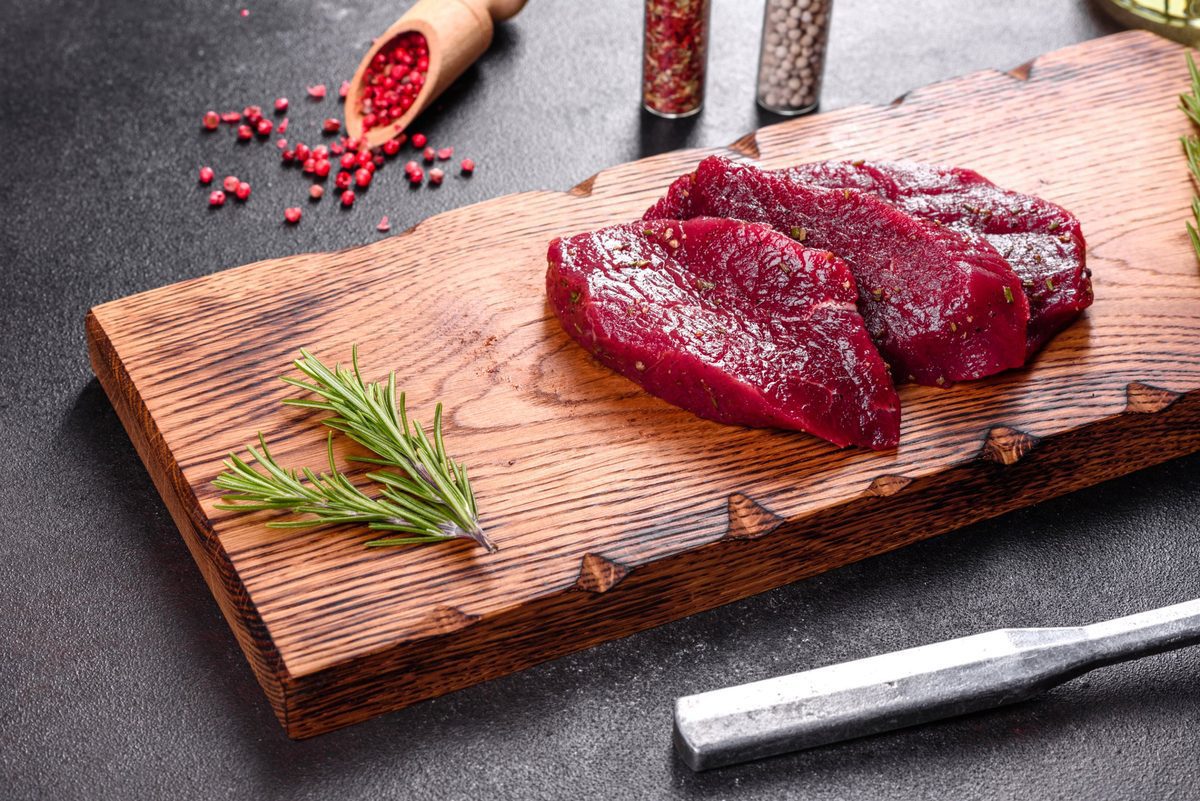
A single deer can fill a freezer with 40 to 60 pounds or more of boneless meat. Venison and most other wild game are naturally lean, and wild animals are not raised with the added growth hormones or routine antibiotics used in some livestock production. Hunters also know exactly where their meat came from and how it was handled.
If you’re new to cooking wild game, start with our guides to a perfect venison backstrap, a venison burger that beats store-bought beef and the best internal temperature for a venison roast.
4. Hunting drives local economies
Hunting is big business, especially for rural towns. According to the 2022 National Survey of Fishing, Hunting, and Wildlife-Associated Recreation, 14.4 million Americans hunted that year and spent $45.2 billion doing it, about $837 per hunter (U.S. Fish and Wildlife Service).
That money goes to sporting goods stores, gas stations, diners, motels, meat processors and outfitters, many of them in small communities where deer season is one of the busiest weeks of the year.
5. It builds a real connection with nature

Few outdoor activities demand as much attention to the natural world as hunting does. To be successful, hunters learn how animals feed, bed and travel, how weather changes their movement, and how habitat shifts from season to season. Sitting in a tree stand at first light, you notice things most people never see: the squirrels waking up, the wind turning, a buck slipping through the timber.
6. Hunting teaches outdoor and survival skills

Hunting teaches skills that are useful far beyond deer camp. Hunters learn to read a map and the terrain, track animals, dress for the weather, handle a firearm or bow safely and field dress and process their own game. Every state requires or offers hunter education, which covers firearm safety, ethics and survival basics. Patience, preparation and self-reliance come with the territory.
7. It gets you moving
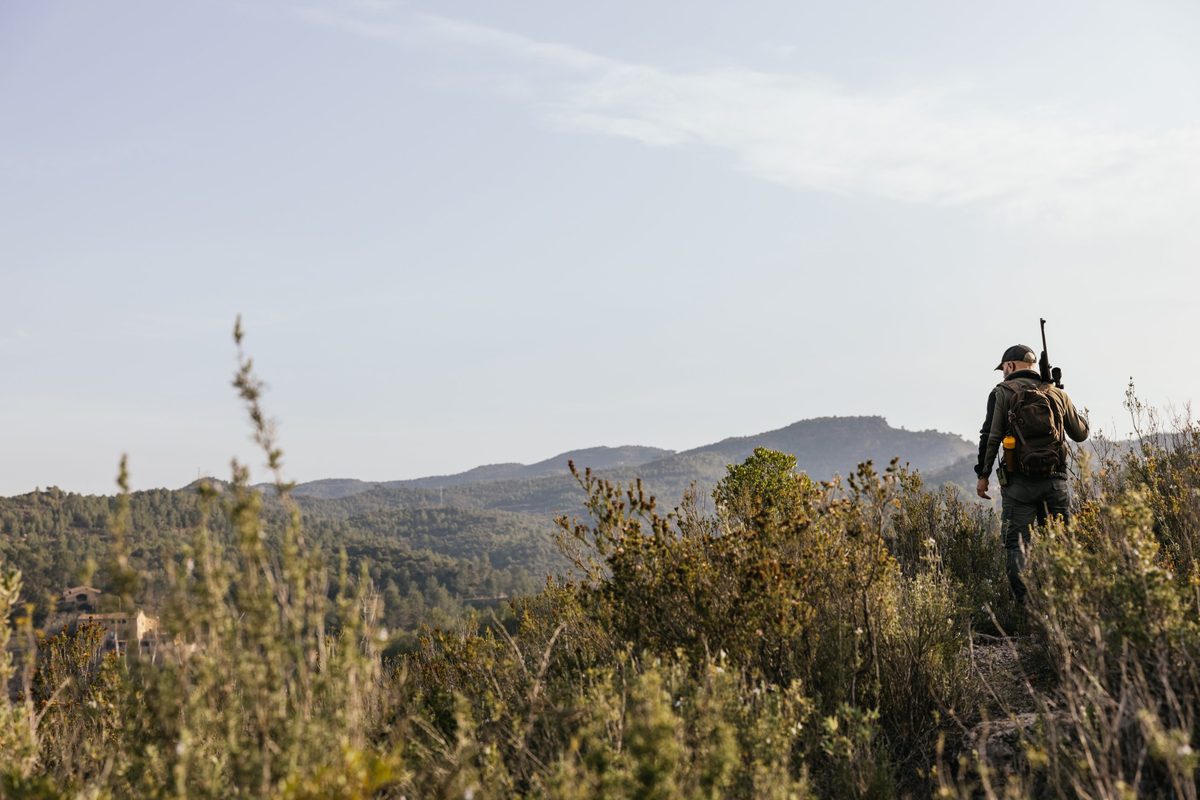
A day of hunting can mean miles of walking, climbing ridges, dragging a deer out of the woods and hauling gear. Upland bird hunters often cover several miles behind their dogs, and elk hunters in the mountains log serious elevation. It’s exercise that doesn’t feel like a workout because you’re focused on the hunt.
8. It carries family traditions forward

For many families, hunting season is as much a tradition as any holiday. Skills, stories, rifles and favorite stand locations get passed from grandparents to parents to kids. Deer camp is where a lot of people spend real time with family and friends without screens, and where many kids learn responsibility and respect for wildlife.
9. Hunters help track wildlife disease
Hunters are wildlife agencies’ most important partners in tracking diseases like chronic wasting disease (CWD), a fatal disease of deer, elk and moose. Hunter-harvested animals provide most of the samples biologists test. In Missouri alone, hunters presented more than 19,400 deer for CWD sampling over a single opening weekend (Missouri Department of Conservation). Those test results guide where agencies adjust seasons, permit numbers and carcass rules to slow the disease’s spread.
Hunting also helps by reducing herd density in problem areas, since diseases spread more easily when animals are crowded together.
10. Hunting helps control invasive species

Feral hogs are one of the most destructive invasive animals in the country. The USDA estimates they cause at least $2.5 billion in damage each year to crops, pastures and natural areas, and there are an estimated 6 to 9 million of them in the U.S. (Associated Press). Hunters and trappers help landowners and agencies keep those numbers down, and many states allow hog hunting year-round on private land.
Hunting and the future of wildlife
Hunting is not the right choice for everyone, and reasonable people disagree about it. But the record shows that regulated hunting has paid for the recovery of species like white-tailed deer, wild turkeys, elk and wood ducks, all of which were scarce a century ago. If you’re thinking about getting started, check your state’s season dates, license requirements and hunter education options on our list of all 50 state DNR and wildlife agency websites.
Frequently asked questions
Does hunting help wildlife conservation?
Yes. In the United States, excise taxes on firearms, ammunition and archery gear, plus hunting license sales, are some of the largest sources of funding for state wildlife agencies. In 2026, the U.S. Fish and Wildlife Service apportioned more than $1.2 billion in Wildlife and Sport Fish Restoration funds to the states.
How does hunting help manage wildlife populations?
State wildlife agencies set seasons and bag limits to keep animals like deer at numbers their habitat can support. Without regulated hunting, deer herds in many areas would grow beyond what the land can feed, leading to habitat damage, more disease and more vehicle collisions.
How much money do hunters spend each year?
According to the 2022 National Survey of Fishing, Hunting, and Wildlife-Associated Recreation, 14.4 million American hunters spent $45.2 billion on hunting in 2022, an average of about $837 per hunter.
Is wild game healthy to eat?
Venison and most other wild game are naturally lean, and wild animals are not raised with the added growth hormones or routine antibiotics used in some livestock production. In areas with chronic wasting disease, the CDC recommends having deer and elk tested before eating the meat.
Do hunters help control invasive species?
Yes. Hunting is one of the tools used against invasive feral hogs, which the USDA estimates cause at least $2.5 billion in damage across the U.S. each year. Many states allow year-round hog hunting on private land to help reduce their numbers.
Photo of shotgun hunter by Tima Miroshnichenko