

The Gobbler That Taught Me Everything About Turkey Hunting
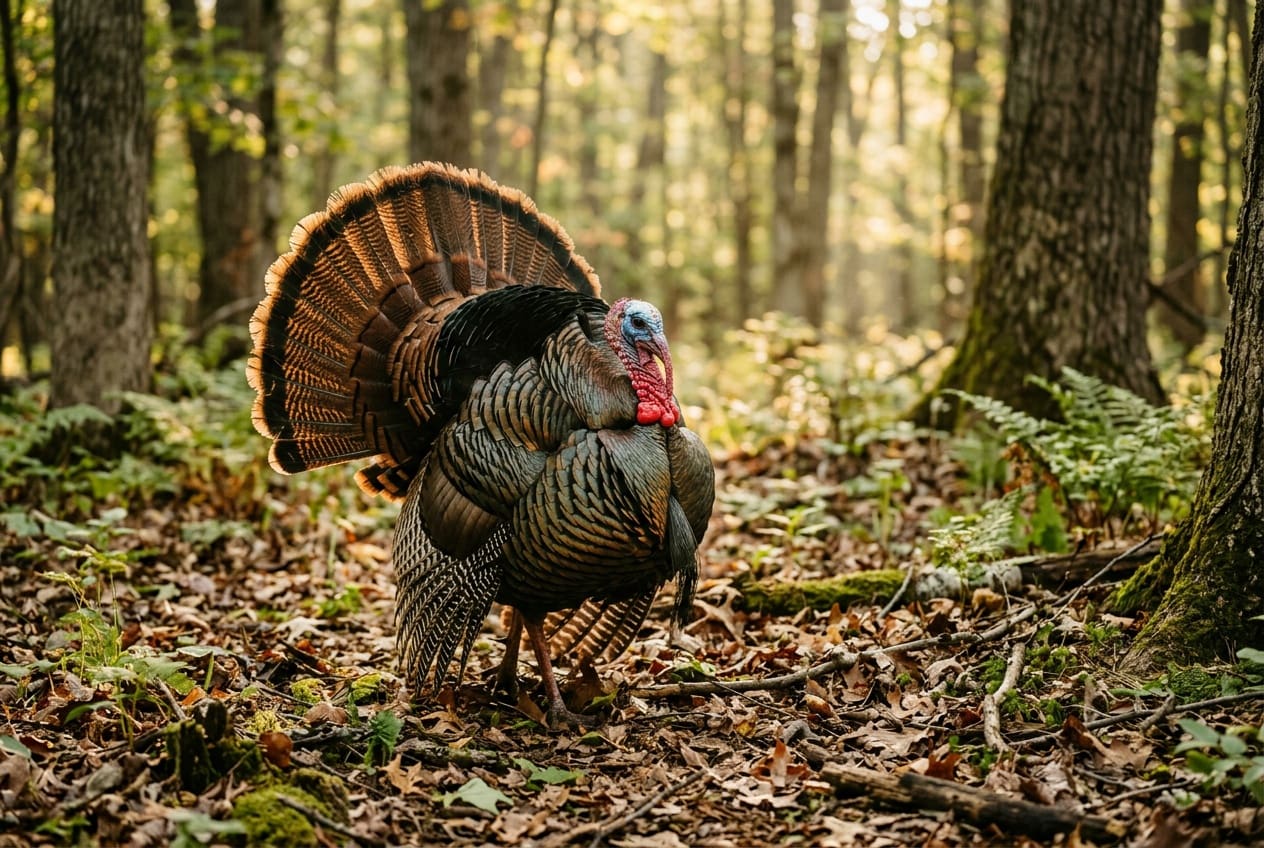
The slate call felt slick with sweat in my palm as I listened to that old tom hammer back from the ridge above me. It was day twelve of Wisconsin’s spring gobbler hunting season, and I’d been working this bird for four straight mornings. Every time I thought I had him figured out, he’d pull some new trick that left me sitting there like a fool with my mouth hanging open.
What Makes a Turkey Unkillable?
Some gobblers survive multiple seasons because they’ve learned to read hunters better than hunters read them. They pattern our setups, recognize our calling mistakes, and exploit our impatience.
This particular tom had me completely stumped. He’d gobble his head off at first light, respond to every call I made, then vanish like smoke when he got within a hundred yards. I’d tried everything – different calling sequences, moving my setup, even bringing in a hen decoy. Nothing worked. The old bird was playing chess while I was playing checkers.
How Do Pressured Turkeys Change Their Behavior?
Heavily hunted turkeys alter their movement patterns, reduce vocalizations, and become extremely cautious around any unnatural sounds or sights.
By the third morning, I realized this gobbler had me completely mapped out. He knew exactly where I was setting up because I kept picking the same “perfect” spots – that oak flat with good visibility and multiple approach routes. What looked perfect to me also looked like an obvious ambush point to a bird that had dodged hunters for at least three seasons. The National Wild Turkey Federation has documented how quickly turkeys adapt to hunting pressure, and this tom was a textbook example.
What’s the Biggest Mistake Turkey Hunters Make?
Most hunters overcall and stay too predictable in their setups, giving educated birds multiple opportunities to pattern their behavior.
- Calling every time the bird gobbles instead of letting silence work for you
- Setting up in the same type of terrain repeatedly because it “looks good”
- Moving too much when a bird goes quiet instead of staying patient
- Trying to pull gobblers across obstacles they naturally want to avoid
How Did This Hunt Finally Come Together?
On morning four, I completely changed my approach and let the turkey’s natural behavior work in my favor instead of fighting against it.
Instead of setting up in that oak flat again, I moved to a terrible spot – thick brush with limited visibility, right where two deer trails crossed. It looked like the last place you’d want to hunt a turkey. But I’d noticed the tom always seemed to disappear in this direction, and I figured there had to be a reason. Sure enough, just after sunrise, I heard him pitch down right into the thick stuff. When he gobbled, he was maybe sixty yards away. I gave him one soft tree call and shut up. The key was letting him come on his own terms instead of trying to force the situation.
What Did This Bird Teach Me About Turkey Hunting?
The most valuable lesson wasn’t about calling or setup location – it was about respecting the intelligence of the animal I was hunting.
When that tom finally stepped into my shooting lane, I realized he’d been teaching me something important for four straight days. Turkeys aren’t just reacting to our calls and decoys – they’re actively thinking, learning, and adapting. This bird had probably encountered a dozen hunters over the years, and each encounter made him a little smarter, a little more careful. The hunters who consistently kill mature gobblers aren’t necessarily the best callers or the guys with the fanciest gear. They’re the ones who can think like a turkey that’s already thinking like a hunter.
Buck’s Final Word
- Hunt where the turkey wants to be, not where you think he should be
- Less calling and more patience will kill more gobblers than any fancy technique
- The worst-looking setup is sometimes exactly what an educated bird doesn’t expect
- Every failed hunt teaches you something if you’re paying attention
That Wisconsin tom earned every bit of respect I could give him, both before and after I finally connected. If you’re working a bird that has you stumped, step back and ask yourself what he’s trying to teach you. The lesson might be worth more than the bird itself.